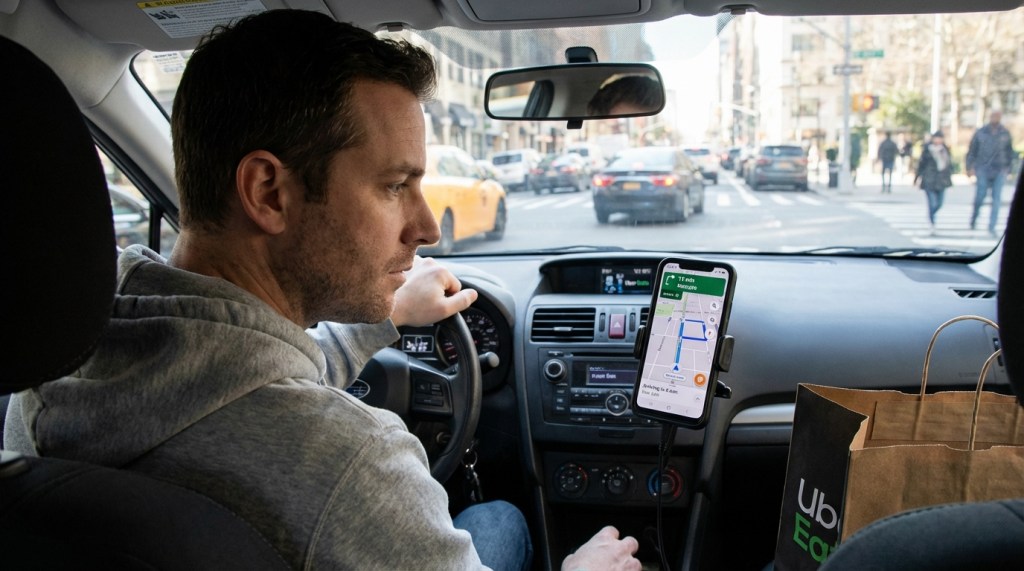


The gig economy is huge right now, and I see more and more people using their personal cars to drive for Uber, Lyft, or DoorDash on the weekends.
But there is a major insurance trap you need to avoid. If you are using your car for commercial purposes, like delivering food or passengers, and you haven’t told your insurance company, you are driving unprotected.
If you get into an accident while you are “on the clock,” the insurance company can repudiate (deny) your claim entirely because the policy was written for personal use only. That means you could be left covering the damages out of pocket.
The solution is simple: You need a “rideshare endorsement.” At Allstate, we can add this to your policy. Yes, your premium will go up, typically by about 25%, because you are on the road more often and at higher risk. But it ensures that you are actually covered.
If you drive for Uber Black, the requirements are even stricter. They often require very high liability limits, like $250,000 or $500,000, and sometimes even an umbrella policy.
If you have a family with multiple cars, adding a rideshare driver can spike the rates for everyone. In those cases, I often recommend moving the rideshare driver to their own separate policy.
That way, if they have a claim while working, it doesn’t impact the insurance score or premiums for the rest of the household. It is just one of the ways we structure things to keep your family protected and your rates fair.